
Field notes
Off-Grid Solar Sizing Cheat Sheet: Battery, Panel, and Inverter Ranges by Rig Type
August 9, 2026
Off-Grid Solar Sizing Cheat Sheet: Battery, Panel, and Inverter Ranges by Rig Type
Every off-grid build starts the same way: figure out roughly what "class" of system you need before you get into exact numbers. This cheat sheet gives you realistic ranges by rig type — van, cabin, full-time home, or homestead — so you can sanity-check a build (yours or a quote you've been given) at a glance.
The cheat sheet
| Rig type | Typical load | Battery bank | Solar array | Inverter | Notes |
|---|---|---|---|---|---|
| Portable / Mobile<br>(RVs, vans, boats, camp kits) | 500–1,500W | 1–2.5 kWh | 200–600W | 1,000–1,500W | Usually 12V. Prioritizes portability — a single power station + folding panel often covers this whole tier. |
| Remote / Cabin<br>(cabins, sheds, hunting camps, telecom) | 3,000–4,000W | 3–6 kWh | 800–1,800W | 2,000–3,000W | Usually 24V. Needs surge headroom for well pumps and power tools; solar as primary, generator as backup. |
| Standard Home / Lodge<br>(full-time off-grid homes, lodges) | 4,000–9,000W | 8–15 kWh | 1,800–3,500W | 3,000–6,000W | Usually 48V. Covers 100% of daily domestic load; large LiFePO4 banks to bridge multi-day cloudy stretches. Generator backup is close to mandatory here, not optional. |
| Large Homestead / Farm<br>(large properties, small businesses) | 9,000–14,000W+ | 15–30 kWh+ | 3,500–6,000W+ | 6,000–12,000W+ | Usually 48V. Multiple arrays, sizable battery banks, generator sized for extended outages. Often worth splitting into sub-panels/subsystems rather than one monolithic build. |
How to read this table
These ranges assume:
- LiFePO4 battery chemistry (90% usable depth of discharge)
- Moderate sun exposure (~4.5 peak sun hours/day)
- 1–2 days of autonomy (backup capacity with no sun)
If you're in a lower-sun region, plan toward the top of the solar array range. If you want more no-sun backup days, plan toward the top of the battery range. The two aren't interchangeable — more panels doesn't help you on a cloudy week, and a bigger battery doesn't help you if your panels can't refill it the next sunny day.
Why voltage changes by tier
System voltage isn't arbitrary — it's driven by current (amperage), and higher loads at low voltage mean impractically thick, expensive wiring:
- 12V — fine under about 1,000W continuous. Beyond that, wire gauge and voltage drop become real problems.
- 24V — the sweet spot for 1,000–3,000W continuous loads. Halves the current (and wire size) compared to 12V for the same power.
- 48V — standard for anything above 3,000W. Whole-home off-grid systems are almost always 48V for this reason.
If you're speccing a system yourself, pick your voltage based on your calculated continuous load, not the other way around.
Where people usually get it wrong
Sizing the battery for average use instead of worst case. Average daily draw is the right number for panel sizing (it's what needs to be replenished each sunny day) — but for battery bank size, you need to plan for your autonomy target during your worst stretch of weather, not your average day.
Ignoring surge on the inverter. A rig's continuous load might sit comfortably at 1,200W, but if a compressor fridge and a power tool happen to start at the same moment, surge can spike well past that. Undersized inverters don't fail gracefully — they just don't power the device.
Skipping generator backup on anything above "portable." Once you're sizing for a cabin or full-time home, multi-day cloudy stretches are a "when," not an "if." A backup generator isn't a nice-to-have at that tier — it's what keeps a bad weather week from becoming a real problem.
Get your exact numbers
This cheat sheet gets you in the right neighborhood. Your actual numbers depend on your specific devices, your region's sun hours, and how many backup days you want.
Use the free Off-Grid Energy Calculator → to build your exact loadout and get a battery, panel, inverter, and generator spec sized to your real usage — not a generic range.
Figures in this article are rule-of-thumb ranges based on common industry sizing practices, not a single manufacturer's spec. Always verify against your specific equipment before purchasing or installing.
Gear for this setup
Picks that match what this guide covers.

Whole-home backup class with 3,000W solar input — top large-rig pick.
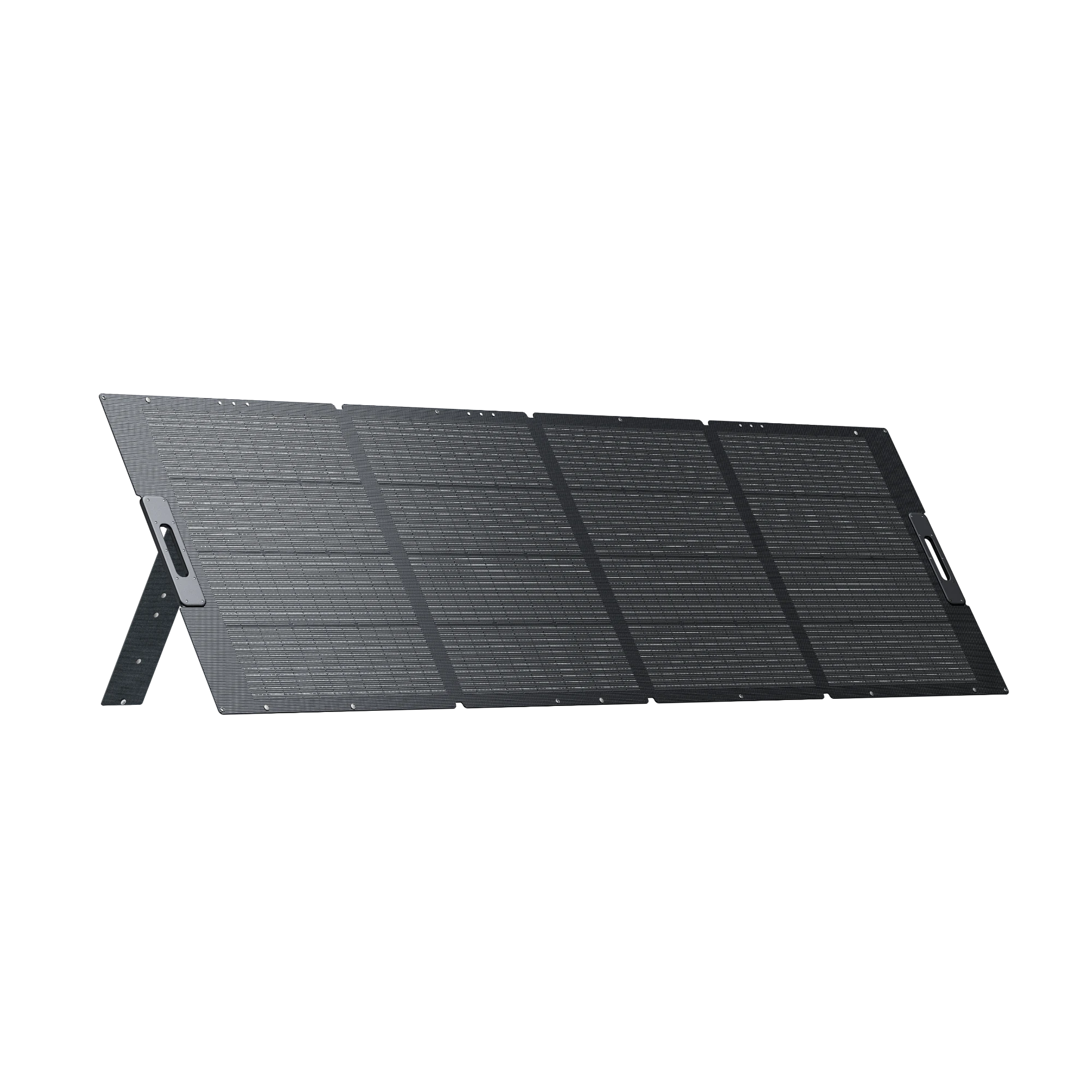
Weatherproof rigid panel for roof/ground arrays on cabins.
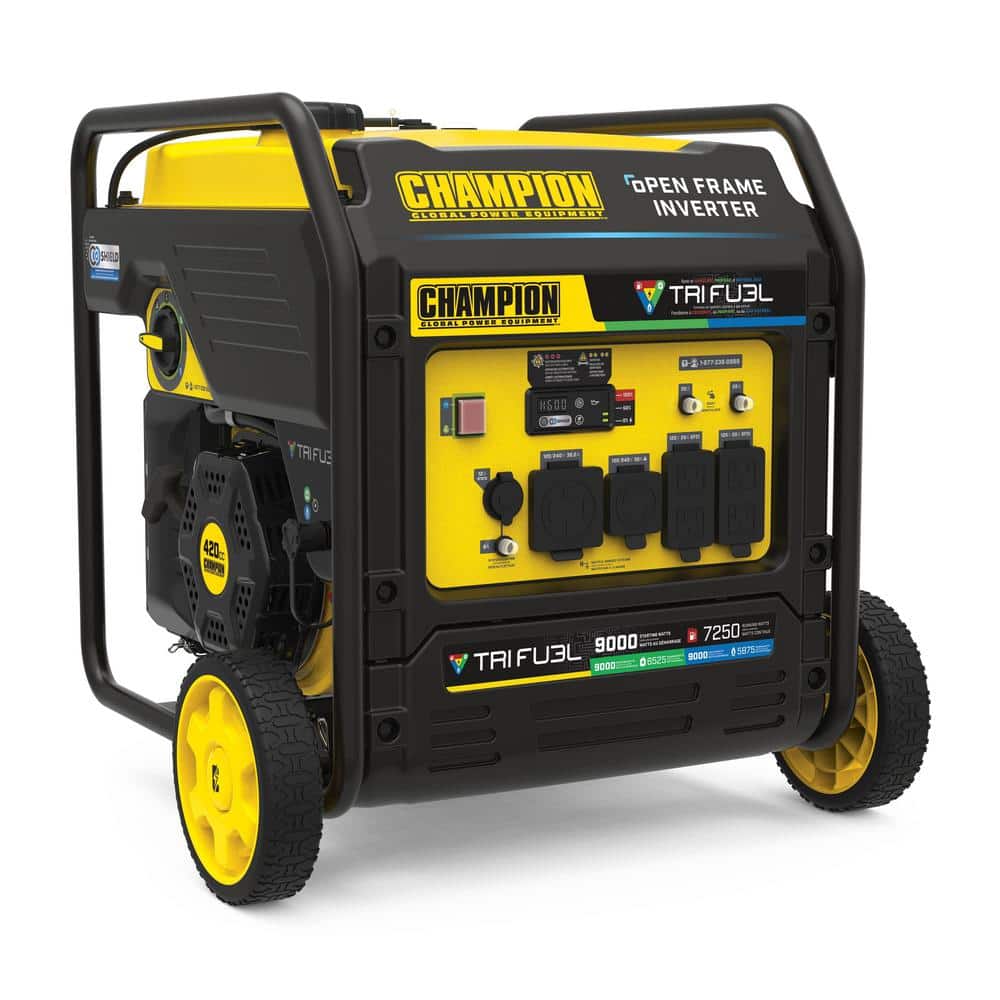
Whole-house surge, tri-fuel flexibility — 2026 top tri-fuel pick.
Affiliate disclosure: GetWattLogic earns a commission on purchases made through these links, at no extra cost to you.