
Field notes
Bluetti vs Jackery vs EcoFlow for Van Life (2026)
August 9, 2026
Bluetti vs Jackery vs EcoFlow for Van Life (2026)
If you're shopping for a portable power station for a van, RV, or off-grid rig, you've almost certainly landed on these three names. All three now build their main lineups around LiFePO4 (LFP) battery chemistry — the same durable, thermally stable chemistry recommended throughout this site — so the decision usually comes down to how each brand is positioned rather than a clear "better" or "worse" pick.
Here's how they generally differ, and which one fits which kind of build.
The short version
- Bluetti — best for expandability and solar input. If you're planning to grow your system over time or want to pair with a large panel array, Bluetti's higher solar input ceilings and modular accessory ecosystem make it the easiest to build around long-term.
- Jackery — best for straightforward portability and ecosystem polish. If you want something that works well out of the box with minimal setup and solid outdoor-oriented accessories, Jackery leans hardest into that use case.
- EcoFlow — best for charging speed and raw output. If fast recharge (wall or generator) matters to your routine — say, you're moving between camp spots often and want a quick top-up — EcoFlow's charging speed is its standout feature across most of its lineup.
What actually matters for van life specifically
Solar input ceiling. Not every power station accepts the same maximum solar wattage. If you're running a rooftop array on a van or RV — rather than a small folding panel — check the unit's rated solar input before assuming your panels will actually deliver their full output. This is one of the more common mismatch points in van builds: a well-sized panel array bottlenecked by a power station's lower solar input ceiling.
Weight and footprint. Vans and RVs have hard limits on payload and storage space in a way that cabins and homes don't. Portability-focused designs generally trade some capacity-per-dollar for a lighter, more compact form factor — worth weighing directly against your specific rig's available space.
Expandability. Some models in each brand's lineup support add-on battery modules to grow capacity after your initial purchase, rather than requiring a full unit swap. If you expect your power needs to grow — adding a fridge, later going full-time — this is worth checking before you commit to a fixed-capacity unit.
Charging speed. How you actually recharge matters more than the spec sheet suggests. If you're relying primarily on solar, recharge speed from a wall outlet or generator matters less. If you're moving frequently and topping up from campground power or a generator between stops, faster recharge times translate directly into less downtime.
Chemistry: why LiFePO4 matters
Across all three brands, the main current-generation lineups have shifted to LiFePO4 chemistry, which offers a meaningfully longer cycle life (commonly rated in the thousands of charge cycles to 80% capacity) than older lithium-ion designs, along with better thermal stability. Some older or lower-tier models — across any of these brands — may still use older chemistry, so it's worth confirming the battery chemistry of the specific model you're considering rather than assuming based on brand alone.
How to actually decide
The honest answer is that all three brands are credible, and the "best" one depends on your specific loadout and habits more than brand loyalty. That's exactly what the calculator on this site solves — instead of matching your build to a brand's marketing positioning, it sizes your battery capacity from your actual devices and usage, so you know what capacity, solar input, and inverter rating you actually need before you start comparing specific models.
Use the free Off-Grid Energy Calculator → to get your exact battery, solar, and inverter spec, then shop within that spec rather than guessing.
Brand and model information reflects general market positioning as of 2026 and is not exhaustive — specifications vary by model and generation within each brand's lineup. Always verify current specs against the manufacturer's listing before purchasing.
Gear for this setup
Picks that match what this guide covers.
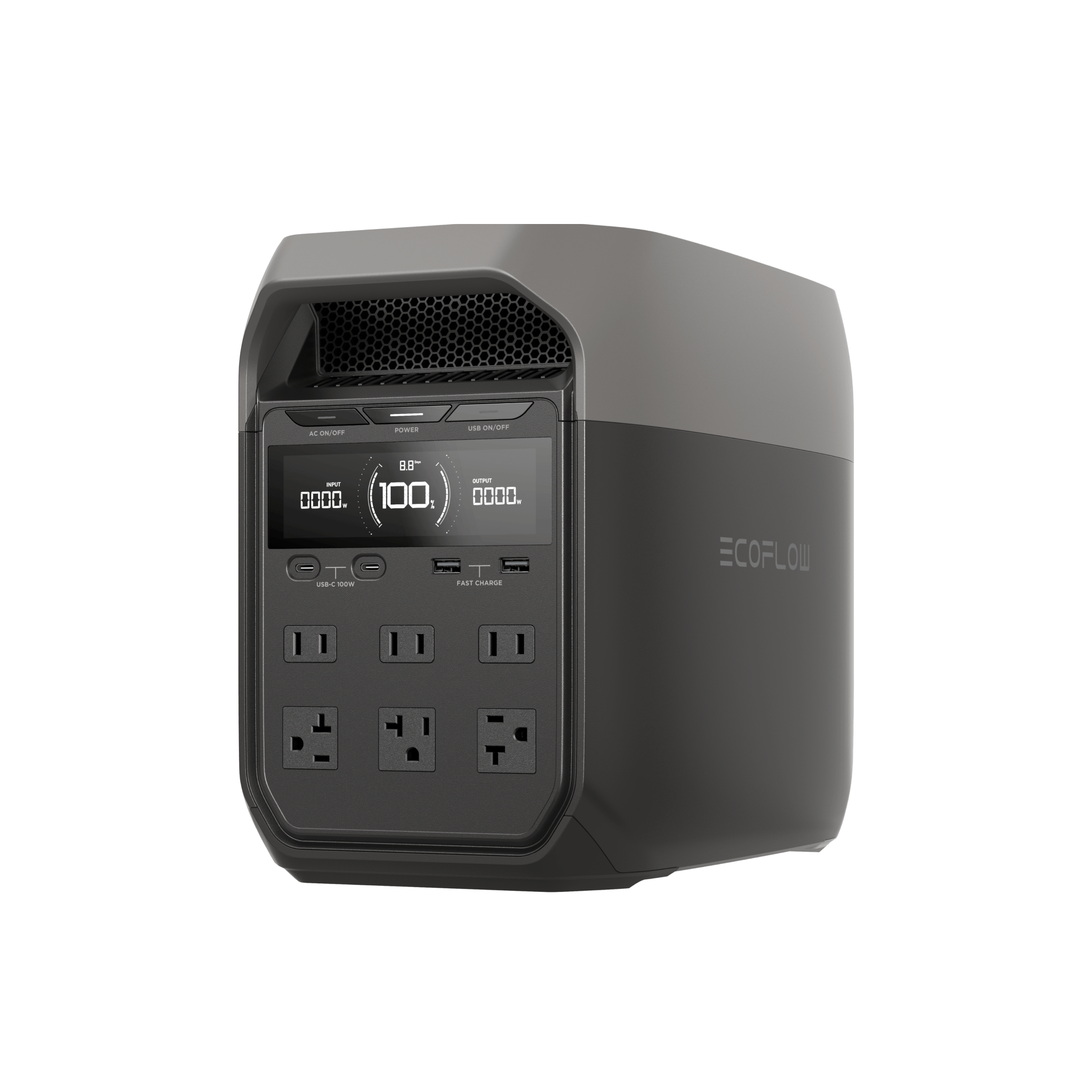
Fastest AC charge in class, expandable with extra batteries.

Top-rated 2026, scales to mid cabins; LiFePO4.

Current Anker ~2kWh station — fast AC+solar charge, expandable to 4kWh; direct rival to Jackery 2000 v2.
Affiliate disclosure: GetWattLogic earns a commission on purchases made through these links, at no extra cost to you.