
Field notes
Generator Backup for Off-Grid Solar: Propane vs Gasoline vs Diesel
August 9, 2026
Generator Backup for Off-Grid Solar: Propane vs Gasoline vs Diesel
Solar and battery cover most off-grid systems most of the time — but almost every serious build still includes a backup generator for the multi-day cloudy stretch, the depleted battery bank in the dead of winter, or the surge load your inverter can't cover alone. Which fuel makes sense depends heavily on how you'll actually use the generator, not just which one is cheapest per gallon.
The short answer
- Propane — best for occasional backup. Clean-burning, doesn't degrade in storage, but lower energy density means a bigger tank for the same runtime.
- Gasoline — the most portable and cheapest inverter generators, but the fuel itself degrades over time and needs regular use or a stabilizer to stay reliable.
- Diesel — the best runtime-per-gallon for heavy or daily use, with a higher upfront cost and a heavier unit.
- Natural gas — only viable if you're stationary and already have a gas hookup; not an option for mobile rigs.
Propane
Propane's biggest advantage for off-grid backup is shelf life — unlike gasoline, it doesn't degrade sitting in a tank, so a propane generator you run twice a year is just as reliable as one you run weekly. It also burns cleaner than gasoline or diesel, with less soot and no risk of fuel gumming up carburetors after months of storage.
The trade-off is energy density: propane holds less usable energy per gallon than gasoline or diesel, so you need a proportionally larger tank to match the runtime of a smaller gasoline or diesel setup. For a system that's genuinely backup-only — sitting idle most of the year — this is usually a fair trade for the reliability.
Best fit: cabins, occasional-use rigs, and anyone who wants to be confident the generator will actually start after months of not touching it.
Gasoline
Gasoline generators are the most common starting point for a reason — they're the cheapest inverter generators on the market and the most portable, which matters if you're moving the unit between a shed and a job site, or hauling it in a van.
The downside is fuel stability. Gasoline begins degrading within a few months unless treated with a stabilizer, and ethanol-blended fuel is worse for long-term storage than pure gasoline. If a gasoline generator is your only backup and it sits untouched for half a year, there's a real chance it won't start cleanly when you need it — or that you'll need to drain and refill the tank periodically just to keep it ready.
Best fit: rigs and setups where the generator gets used regularly enough that stale fuel isn't a concern, and portability or upfront cost matters more than shelf life.
Diesel
Diesel generators deliver the best runtime per gallon of the three, and diesel engines generally tolerate continuous heavy loads better than gasoline equivalents — which is why diesel is the standard choice for generators that are expected to run for extended stretches, not just occasional backup.
That efficiency comes with a higher upfront cost and a heavier unit, which matters less for a stationary home or large homestead setup and more if portability is a priority.
Best fit: larger off-grid homes, homesteads, or any setup where the generator might need to carry real daily load during an extended outage rather than just topping off the battery bank.
Natural gas
If you're stationary and already have a natural gas line — a permanent cabin or tiny house near existing utility infrastructure — a natural gas generator solves the fuel storage problem entirely, since you're drawing directly from the hookup instead of maintaining a tank. It's not an option for anything mobile, and it doesn't help if you're building for true off-grid independence with no utility connection at all.
Best fit: stationary homes or cabins with an existing natural gas hookup, where fuel storage and stability aren't factors.
Matching fuel to system size
As a rough pattern: smaller portable and backup-only systems tend to lean propane for the shelf-stability, mid-size systems often run gasoline for cost and portability, and larger homes or homesteads sizing for extended outages tend toward diesel for the runtime efficiency. None of these are hard rules — they're trade-offs between upfront cost, storage practicality, and how often you expect to actually run the thing.
Sizing your backup generator to your actual loadout? The off-grid calculator estimates the surge wattage your generator needs to cover, based on the specific devices in your loadout — not a generic rule of thumb.
Gear for this setup
Picks that match what this guide covers.

Proven, quiet, holds resale; best small-rig generator.
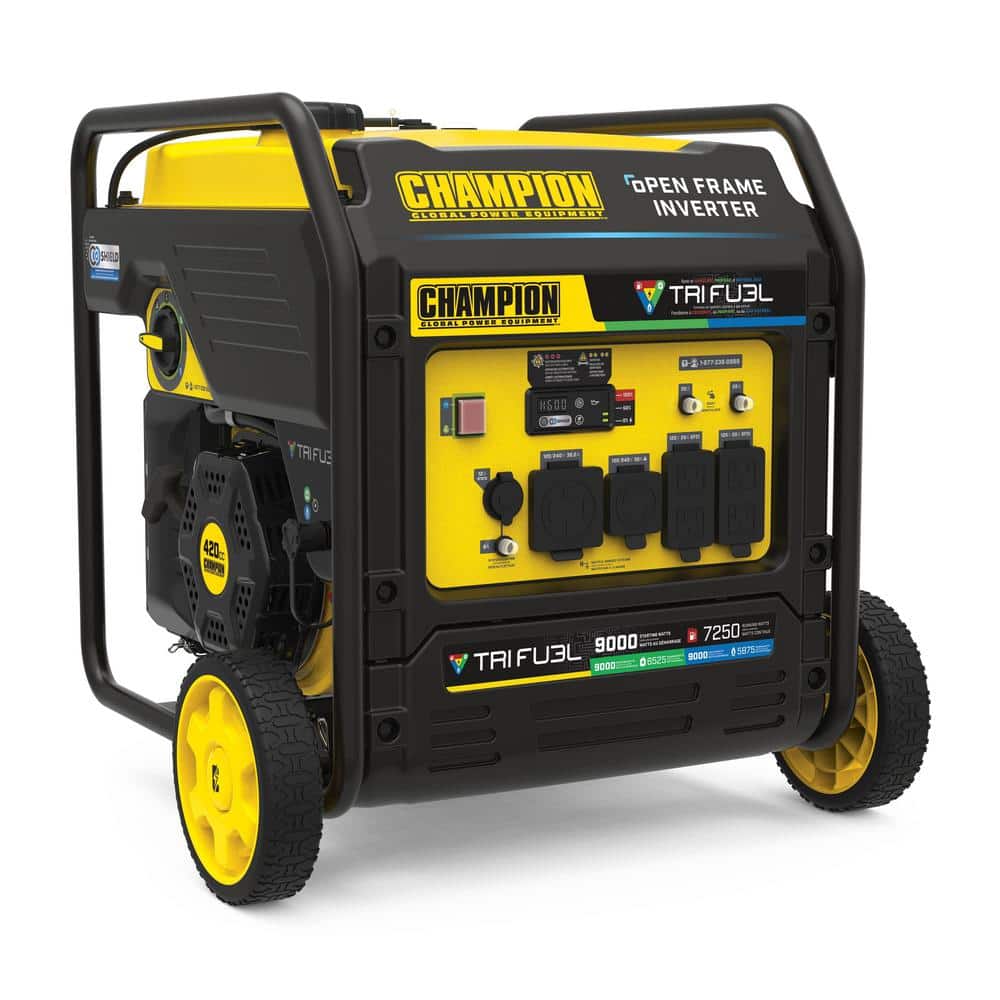
Whole-house surge, tri-fuel flexibility — 2026 top tri-fuel pick.
Affiliate disclosure: GetWattLogic earns a commission on purchases made through these links, at no extra cost to you.